
Building a Good Credit Score
A good credit score is ESSENTIAL in today’s world. Having a good credit score doesn’t just mean that you will get a low rate on loans and credit cards. But these days, employers will do a credit check before hiring you! Up for a management position? Some companies will pull your credit before offering you a position of authority. And just because you have some past credit mistakes, they may pass over you for promotion.

Having good credit is also less stressful, With a good credit score, you know that when you apply for any kind of financing you will be approved. While someone with bad credit has to agonize over approval. They may have to provide a lot more documentation and even write letters explaining the very personal and private reasons they have bad credit. And even after going the extra mile, if they get approved for the loan or credit card. They will be forced to pay a higher interest rate, and maybe even put down a security deposit.
What Is a Credit Score?
The Basics
A credit score is a three-digit number that tells lenders how risky it is to lend you money. A bigger number? Yeah, that’s less risky for you. It’s calculated based on the information in your credit reports — your payment history, how much debt you carry, how long you’ve had credit, and a few other factors we’ll break down in a minute.
Most folks might not know this but you actually have more than one credit score. You have dozens.
Two Scoring Models, FICO versus VantageScore
The two main scoring models are FICO and VantageScore. FICO’s been around since the late 80s and most lenders use such scores. When lenders talk about a “credit score,” usually FICO springs mind. As of the writing of this article, the national average FICO score is about a 717 which means you are doing fine if your score is near that.
Experian Equifax and TransUnion made VantageScore maybe you know as a FICO alternative. A good VantageScore credit score falls in roughly the same ranges as FICO, and both models use a 300 to 850 scale. The formulas are slightly different, but they’re looking at the same basic information.
The higher you are on that scale, the better you look to lenders. But what do the actual numbers mean? Here’s how the ranges break down:
FICO Score Ranges
800–850: Exceptional. You are definitely up there. You’ll qualify for the best rates and terms available. Lenders? They might just love you.
740–799: Very Good. Still excellent territory. Seems like you might get approved for almost anything and also at rates people would engage with.
670 up ’til 739: This is where most Americans land. You’ll get approved for most credit cards and loans, though maybe not at the lowest rates.
580–669: Fair. Sure, financing might still be available yet expect options shrinking plus a likely interest rate hike. Some lenders will pass.
300–579: Sales numbers? Probably not great. Yeah that’s a pretty tricky area. Limited options, high rates, security deposits, and a lot of “no.”
VantageScore Ranges
VantageScore uses the same 300–850 scale but draws the lines a little differently:
781–850: Excellent.
661–780: Good stuff I guess you’d say. So a solid VantageScore score might start around here perhaps.
601 to 660: Fair enough. Some products you’ll get approved on but maybe rates aren’t stellar; think about it.
500 to 600: Not great. You will probably be declined for most loans unless you get a co-signer or can provide additional security
300-499: Poor
The categories shift slightly, but the takeaway is the same — the higher you go, the better your options get.
The 5 Factors That Make Up Your Credit Score
Your credit score is made up of five key credit score things each with some more weight than others. Knowing each one and how much it matters helps you focus energies faster.
Payment history, it’s about thirty-five percent. It is said over a third hinges on a single
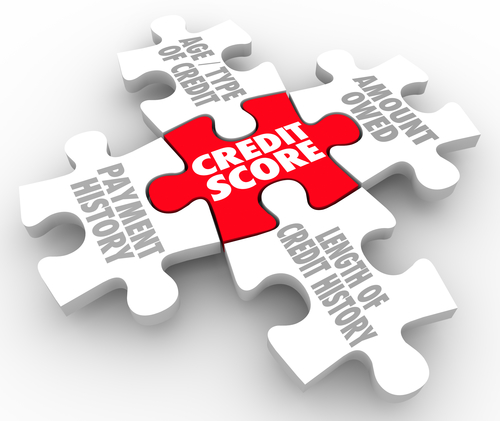
thing: were bills paid when due? Missing payments — even one — can drag your score down fast. A single 30-day late payment can drop a good score by 50 to 100 points. Make payments punctually without exception. Nothing else you do will matter as much as this.
Credit usage, or credit utilization, shows what part available credit you are using. A credit card at seventy percent utilization? Yeah that’s hurting your score for sure just so you know. As a general guide try to stay below 30% credit usage. Ideally even less than 10% is good. This applies across ALL your credit accounts, not just one card.
Length of Credit History (15%) Lenders want to see a long track record. The average age of all your credit accounts matters here. That’s why closing old accounts can actually hurt you — it shortens your history and drops your average age. Keep your oldest accounts open, even if you’re not using them much.
Credit Mix, A mix of credit can be helpful to show lenders. A car loan, a credit card, a personal loan — that mix shows lenders you can handle different kinds of debt responsibly. You don’t need to go open a
New Accounts & Recent Activity Every time you apply for credit, it generates a hard inquiry on your report. One or two won’t hurt much, but a bunch of new applications in a short period sends a red flag. It looks like you’re desperate for credit — and lenders don’t like that. New accounts also lower your average age of credit history, which ties back to factor number three.
How to Build a Good Credit Score
Thankfully a good credit score can be built even after you have had past credit mistakes. Here are 6 tips to help you get back on your feet and start building a more positive credit profile.

- Order your credit reports on a regular basis. It is important that you order copies of your credit report
at least every six months. This way, you can have the chance to examine your credit file and look for inaccuracies that are being reported. Keep in mind you need to pull a credit report from all 3 credit reporting agencies. Your credit score can differ greatly depending on the credit bureau its from. You are entitled to 1 free credit report from each agency from annualcreditreport.com BUT that report WILL NOT include your credit score.With identity theft on the rise. Many people are now purchasing credit monitoring services or putting a credit freeze on their credit report. Even if you have bad credit you should be monitoring your credit for potential I.D. thefts. Scam artist can still use your credit to obtain financing and / or use it to obtain employment. So having a low credit score WILL NOT protect you from identity theft. - Dispute errors in your credit reports. Nothing is quite as frustrating as being denied for a loan because they have you confused with someone else, or one of your loans or credit cards is being reported incorrectly.The right time to find errors and take care of them is BEFORE you sit in front of a loan officer. For information on how to write a good credit dispute letter, click here.
- Pay your your bills on time. Responsible credit habits involve paying your financial obligations on time. If you can pay them off in full each month, even better! This is a very important step if you intend to maintain a high credit score.
- Do not max out your credit cards. As much as possible, just use a third of your available credit limit. The amount of credit you have and are using each month will have a big effect on your credit score.
- Avoid closing your oldest accounts. If you intend to close one of your credit cards so you can manage your personal finances more responsibly, make sure that you choose your newest accounts first. Never close your oldest credit cards if you can help it. The length of time you have had credit is also a factor in your credit score.
- Don’t forget to build new credit. A lot of people with a low credit score will wait until all the negative items drop from their credit report before they start to look for credit. That isn’t the way to go about recovering from bad credit. You want to apply for new lines of credit. There are plenty of finance companies that offer financing to people with bad credit.
Companies approving bad credit credit cards