
Credit Cards For Students With No Credit
Looking for credit cards for students with no credit? Starting college is exciting, but it also comes with a financial reality most students aren’t prepared for — you need credit, but you can’t get credit without already having it. It’s a frustrating catch-22 that every college student faces.
The good news is there are cards designed specifically for students with limited credit history. Some require no credit check at all. Others use a soft inquiry that won’t affect your available score. And a few work more like a learning tool for building credit history than a traditional credit card.
Below you’ll find card offers that work for students with no credit or bad credit. After the listings, we break down how to choose the best credit card for your specific needs, how to use it responsibly, and how to build a credit score that will serve you well beyond graduation.
LIMITED TO NO CREDIT
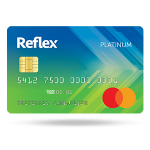
- Up to $1,000 Initial Credit Limit
- See if you Pre-Qualify with No Impact to your Credit Score
- Less than perfect credit? We understand. The Reflex Mastercard is ideal for people looking to rebuild their credit.
- Unsecured credit card requires No Security Deposit
- Perfect card for everyday purchases and unexpected expenses
- Monthly reporting to the three major credit bureaus
- Use your card everywhere Mastercard is accepted at millions of locations
- Enjoy peace of mind with Mastercard Zero Liability Protection for unauthorized purchases (subject to Mastercard guidelines)


You are pre-approved for a $750 unsecured credit line (Usable only at TheHorizonOutlet.com) with the Freedom Gold Card! Sign up now, our application process is fast and easy. *See site for details
- $750 Unsecured Credit Limit (Usable only at TheHorizonOutlet.com)
- Instant Approval*
- No Credit Check
- No Employment Check
- Fast online application
- Bad Credit – OK

- No Employment or Credit Check
- Bad Credit, No Credit? No Problem!
- Fast and Easy Application
Have you been denied credit in the past? Net First Platinum is available to help people meet their financial needs. Our fast and easy application could be just what you need. A $750 credit line could be available to you faster than you ever thought possible.
- No Employment or Credit Check
- Bad Credit, No Credit – OK
- Always 0.0% APR
- Fast Online Applications
- No Sign Up Fees!
- Bad Credit, No Credit? No Problem!
- Fast and Easy Application
- No Employment or Credit Check
Advertiser Disclosure: See the online credit card applications for details about terms and conditions of credit card offers. Reasonable efforts are made to maintain accurate information. However all credit card information is presented without warranty. When you click on the “Apply Now ” button you can review the credit card terms and conditions on the credit card issuer’s web site.
How To Choose The Best Credit Card For Students With No Credit
Not every student card is the same. Before you apply, look at these important factors to find the best fit for your situation.
Credit bureau reporting. This is the whole reason you’re getting a card — to build credit history. Make sure the card issuer reports your monthly payments to at least one of the three major credit bureaus — Equifax, Experian, or TransUnion. Without reporting, your responsible use won’t show up on your credit report and your credit scores won’t improve. Ask the card issuer about their reporting before you apply.
Annual fee and potential fees. Some student cards have no annual fee at all. Others charge $25-$75 per year plus monthly maintenance fees. Read the offer terms carefully so you know the total cost. A card with a $500 credit limit and $100 in annual fees isn’t as good as it looks. The best credit card for students keeps fees low relative to the credit limit.
Secured card vs. unsecured vs. store cards. A secured card requires a deposit — usually $200-$500 — that becomes your credit limit. It’s the easiest to get approved for and usually has the lowest fees. An unsecured card doesn’t require a deposit but may have higher fees and stricter approval. Store cards and catalog cards offer guaranteed approval with no credit check, but can only be used at specific retailers. Each type serves a different need, so think about what matters most to you — low cost, easy approval, or flexibility.
Welcome offers and rewards. Some student cards offer a cashback bonus on everyday purchases like gas stations, groceries, and dining. Others have welcome offers for new cardholders. These perks are nice but shouldn’t be the main reason you choose a card. Focus on low fees, credit reporting, and building credit history first. The rewards will get better as your credit scores improve and you qualify for better cards.
H2: Types of Cards That Work for Students With No Credit
There are three main paths to your first card. Here’s how they compare.
Secured credit cards are the top choice for most students. You put down a deposit — typically $200-$500 — and that becomes your credit limit. The deposit makes approval almost guaranteed because the card issuer has no risk. Most secured cards report to all three credit bureaus and have low annual fees. After 6-12 months of responsible use and on-time monthly payments, many issuers will upgrade you to a regular credit card and return your deposit. Think of it as a learning tool that pays you back. Check out our full list of secured card options on our <a href=”https://www.newhorizon.org/Info/securedcc.htm”>secured credit cards page</a>.
Unsecured student cards don’t require a deposit. Approval is based on your limited credit history, income, and sometimes your enrollment status. These cards often have higher fees than secured cards, but they offer more flexibility — you can use them anywhere like a regular credit card. Some even include perks like cashback bonus rewards on everyday purchases and identity alerts for fraud protection. The cards listed above on this page are unsecured options designed for students and people with no credit.
Store cards and catalog cards offer the easiest approval path. No credit check, no deposit, no income verification. You get a credit limit to shop from the issuer’s online catalog — electronics, home goods, gift cards, and other merchandise. The tradeoff is you can only use them at that specific store, not at gas stations or grocery stores. But as a first credit account for someone with zero credit history, they’re a good alternative to get started. Browse options on our <a href=”https://www.newhorizon.org/Info/catalog-credit-cards.htm”>catalog credit cards page</a>.
H2: Building Credit the Smart Way as a Student
Getting the card is step one. Using it responsibly is what actually builds your credit scores. Here’s what to do in your first year.
Make small purchases and pay in full every month. Use the card for everyday purchases you’d make anyway — a coffee, gas stations fill-up, a textbook, groceries. Then pay the full balance when the statement comes. This builds payment history without costing you a dime in interest. Payment history is the single most important factor in your credit scores.
Keep your balance low. Don’t use more than 30% of your credit limit. If your limit is $300, keep your balance under $90. This ratio — called credit utilization — is the second most important factor in your FICO score. Maxing out your card hurts your scores even if you pay it off every month, because the balance gets reported before your payment does.
Set up autopay. One late payment can drop your credit scores and stay on your credit report for seven years. Set up automatic monthly payments for at least the minimum amount so you never miss a due date. Better yet, set autopay for the full balance so you never pay interest.
Don’t apply for too many cards at once. Each application can trigger a hard inquiry that lowers your score a few points. Start with one card, use it well for 6-12 months, and then consider adding a second. You don’t need five credit cards as a student. Quality credit management matters more than quantity.
Check your credit report regularly. You can pull your credit report for free at AnnualCreditReport.com. After a few months of card activity, check to make sure your payments are being reported correctly. Look for errors and dispute anything that’s wrong. Building good credit habits now includes monitoring your credit report to make sure it’s accurate.
H2: What Students Need to Apply
The online applications for most student credit cards are straightforward. You’ll typically need the following information: your full legal name, date of birth, and social security number for identity verification. You’ll also need your school name and expected graduation date, your income (part-time jobs, scholarships, and allowances count), and a phone number and email address.
If you’re under 21, federal law requires that you either show proof of independent income or have a co-signer — a trusted friend or family member with good credit who agrees to be responsible for the account if you can’t pay. A parent is the most common co-signer for student cards.
International students can also apply for student credit cards, though the process may be slightly different. Some issuers accept an Individual Taxpayer Identification Number (ITIN) instead of a social security number. Check with the card issuer about their requirements for international students before applying.
H2: Alternatives If You Can’t Get Approved
If you apply and get denied, don’t panic. You have other options.
Ask a parent to add you as an authorized user on one of their credit cards. You don’t need to have the physical card or make any purchases. Their positive payment history and credit limit get added to your credit report, which can jumpstart your credit scores. This works best when the card they add you to has a long history, a high limit, and perfect payments.
Try a debit card with credit-building features. Some newer fintech companies offer a debit card that reports your spending to the credit bureaus, helping you build credit history without taking on debt. It’s not the same as a traditional credit card, but it’s a good alternative for students who can’t get approved anywhere else.
Start with a catalog card. As mentioned above, <a href=”https://www.newhorizon.org/Info/catalog-credit-cards.htm”>catalog cards</a> approve everyone regardless of credit history. Use one for a few months, make on-time monthly payments, and you’ll be in a stronger position to apply for a secured card or unsecured card later.
H2: Common Mistakes Students Make With Their First Card
Treating the credit limit like free money. A $500 limit isn’t $500 to spend. It’s a tool for building credit. Use 10-20% of it, pay it off, and repeat. Students who max out their first card often end up with debt and damaged credit scores before they even graduate.
Only paying the minimum. Minimum payments keep you in good standing, but interest builds on the remaining balance. A $300 purchase can cost you $400+ if you only make minimum payments over several months. Pay the full balance whenever possible.
Closing the card when you get a better one. Your first card becomes your oldest credit account. Length of credit history matters for your credit scores. Keep it open even if you stop using it regularly. Put one small recurring charge on it — a streaming subscription works great — and let autopay handle it.
Ignoring customer reviews and offer terms. Before you apply for any card, read customer reviews from other students and read the full offer terms. Look at the annual fee, interest rate, potential fees for late payments, and whether the card reports to the credit bureaus. A few minutes of research saves you from surprises later.
H2: Frequently Asked Questions
What is the best credit card for students with no credit?
The best fit depends on your situation. If you have money for a deposit, a secured card is usually the smartest choice — low fees, guaranteed approval, and automatic credit bureau reporting. If you can’t afford a deposit, an unsecured student card or a catalog card with no credit check is a good alternative. Look for cards with no annual fee, credit bureau reporting, and low potential fees.
Can I get a credit card as a student with no income?
If you’re under 21, federal law requires proof of income or a co-signer. However, income doesn’t have to come from a full-time job — part-time work, scholarships, grants, and regular allowances from family can all count. If you have no income at all, ask a parent or trusted friend to co-sign or add you as an authorized user on their account instead.
Will applying for a student credit card hurt my credit score?
Some cards use a soft inquiry for pre-qualification, which doesn’t affect your credit scores at all. A formal application typically triggers a hard inquiry that may lower your available score by a few points temporarily. The impact fades within a few months, and the benefit of having and using the card responsibly far outweighs the small dip from one inquiry.
How long does it take to build credit as a student?
Most students start seeing a credit score appear after 3-6 months of card activity being reported to the credit bureaus. After 12 months of consistent on-time monthly payments and low utilization, your credit scores should be strong enough to qualify for better cards with higher limits, lower fees, and rewards like cashback bonus programs.
Can international students get a credit card in the US?
Yes. Some card issuers accept an ITIN instead of a social security number. International students may also qualify for secured cards that don’t require a US credit history. Check with individual card issuers about their specific requirements for international students.