Fraud Alert vs. Credit Freeze: Understanding Your Options
Identity theft is a growing concern in today’s interconnected world. Both fraud alerts and credit freezes are tools designed to protect your identity from this risk. While these options share the common goal of safeguarding your personal and financial information, they are not exactly the same. What are their differences, and how do you decide which is the best option for you? To answer these questions, let’s delve deeper into each.
In this article, we’ll take a look at:
- Why Credit Protection Matters
- When to Use Fraud Alerts and Credit Freezes
- Fraud Alert – How It Works
- Types of Fraud Alerts
- How to Place a Fraud Alert
- Credit Freeze – What You Should Know
- How a Credit Freeze Works
- Placing a Credit Freeze
- Unfreezing Your Credit
- Comparing Fraud Alerts and Credit Freezes
- When to Choose a Fraud Alert
- When to Choose a Credit Freeze
- Additional Tips for Protecting Your Credit
- Conclusion
- Frequently Asked Questions
Why Credit Protection Matters
In an age where personal information is frequently shared online and stored digitally, credit protection has become more critical than ever. Data breaches, phishing attacks, and identity theft scams are increasingly common, with millions of individuals falling victim to fraudulent activities every year. According to the Federal Trade Commission (FTC), identity theft cases continue to rise, affecting both individuals and businesses alike.
Fraud alerts and credit freezes are essential tools in the fight against identity theft, but they are only part of a broader strategy for safeguarding your finances. Taking proactive steps to monitor your credit and secure your sensitive information can save you significant time, money, and stress in the long run.
When to Use Fraud Alerts and Credit Freezes
Scenario 1: After a Data Breach
Imagine your favorite retailer experiences a data breach, exposing your personal and financial information. In such cases, placing a fraud alert ensures creditors verify your identity before approving any new accounts. If the breach involves highly sensitive information, like your Social Security number, a credit freeze offers an added layer of security.
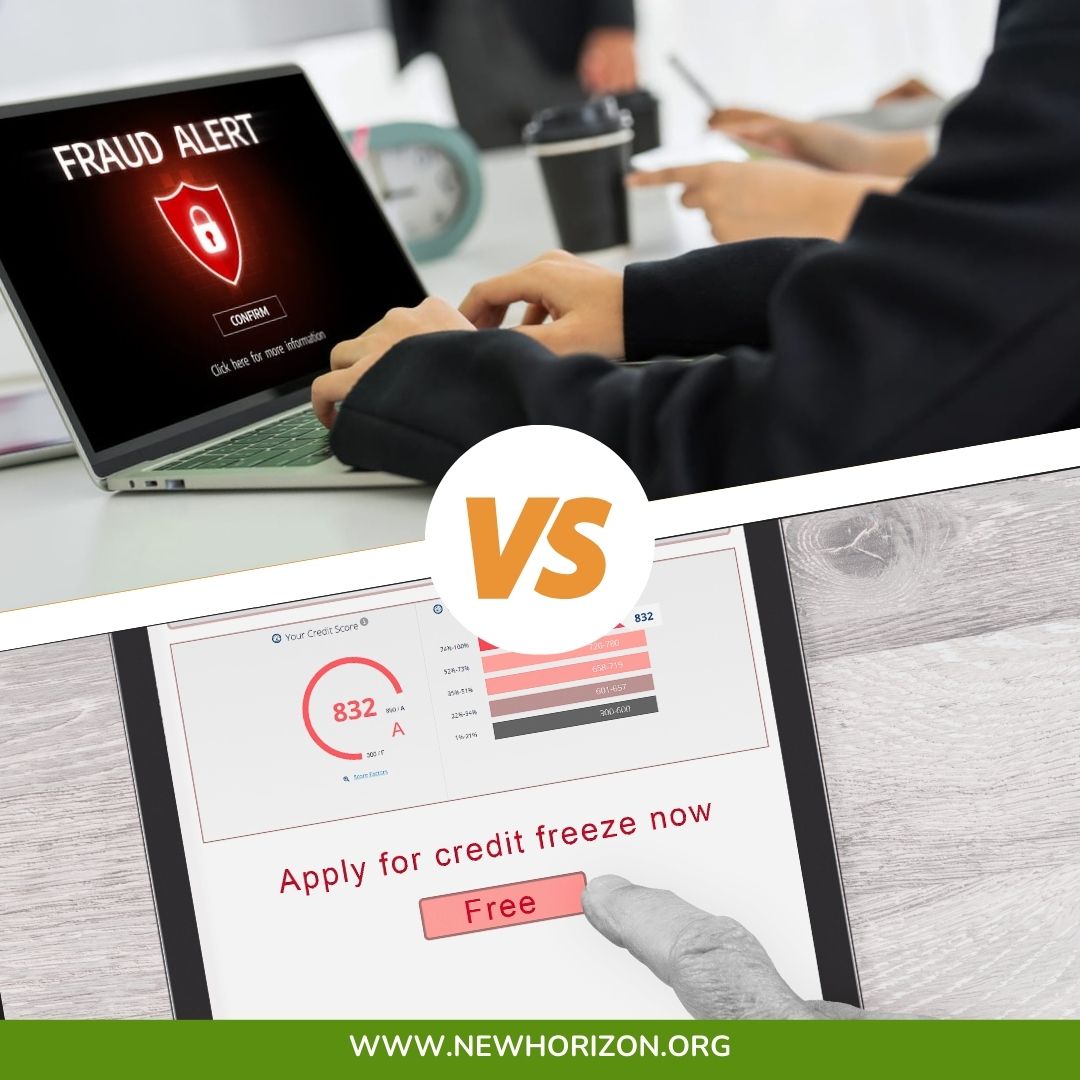
Scenario 2: Suspicious Activity on Your Credit Report
If you notice unauthorized inquiries or unfamiliar accounts on your credit report, taking immediate action is crucial. Start by placing a fraud alert to minimize further risk. If the issue persists or you confirm identity theft, a credit freeze may be the best course of action.
Scenario 3: Minimal Need for Credit
If you rarely apply for new credit—such as credit cards or loans—a credit freeze provides peace of mind, as it completely locks down your credit file. This is especially useful for retirees or those focused on paying down existing debt.
Fraud Alert – How It Works
Fraud alerts are a simple and effective way to add a layer of security to your credit report. When you place a fraud alert on your credit file, it signals to creditors that they must take extra steps to verify your identity before approving any credit application. This means that whenever someone tries to open a new account in your name, the creditor must contact you directly to confirm your authorization.
Types of Fraud Alerts
There are two main types of fraud alerts:
- Standard Fraud Alert

A standard fraud alert lasts for 90 days and can be renewed indefinitely. It is ideal for individuals who suspect that their personal information may have been compromised but have not yet become victims of identity theft. - Extended Fraud Alert
For individuals who have been victims of identity theft, an extended fraud alert provides enhanced protection. It remains active for seven years and requires creditors to take additional steps to verify your identity. To qualify for an extended alert, you must provide proof of identity theft, such as a police report.
How to Place a Fraud Alert
Placing a fraud alert on your credit report is straightforward and free. A single phone call to any one of the three major credit bureaus—Experian, Equifax, or TransUnion—initiates the alert. The bureau you contact will then notify the other two, ensuring comprehensive coverage across all your credit files.
However, it’s essential to understand that fraud alerts are not foolproof. Some creditors may fail to adhere to the verification process, leaving you vulnerable to identity theft. In such cases, a credit freeze offers a stronger line of defense.
 Credit Freeze – What You Should Know
 Credit Freeze – What You Should Know
A credit freeze, also known as a security freeze, is one of the most robust measures available to protect your credit. When you place a freeze on your credit file, it becomes inaccessible to anyone without your explicit permission. This means lenders, insurers, employers, landlords, marketing companies, and even you, the credit report owner, cannot access your report unless the freeze is lifted.
How a Credit Freeze Works
Once a credit freeze is in place, it blocks unauthorized access to your credit file. This makes it nearly impossible for fraudsters to open new accounts in your name, as lenders cannot review your credit history. However, it does not affect your existing accounts, so you can still use your credit cards and manage current loans as usual.
Placing a Credit Freeze
To implement a credit freeze, you must contact each of the three credit bureaus individually—Experian, Equifax, and TransUnion. The process typically involves:
- Providing your personal information, such as your Social Security number and address.
- Verifying your identity through security questions or additional documentation.
- Setting up a unique PIN or password, which you will need to lift or temporarily remove the freeze.
Each bureau will send you confirmation of the freeze along with your PIN or password. It’s crucial to store this information in a secure location, such as a safety deposit box or encrypted digital storage, as losing it can complicate the unfreezing process.
Unfreezing Your Credit
If you need to apply for new credit, you can temporarily lift the freeze. This process is often called “thawing” your credit and can be done online, by phone, or via mail. Most credit bureaus allow you to specify a timeframe for the thaw, after which the freeze will automatically be reinstated.
Here’s what to keep in mind about unfreezing your credit:
- Processing Time: Lifting a freeze is generally quick, with online requests often completed in minutes.
- Costs: Credit freezes are free under federal law, but some states may charge a fee for lifting the freeze, depending on the circumstances.
Comparing Fraud Alerts and Credit Freezes
While both fraud alerts and credit freezes serve to protect your identity, they cater to different levels of security and convenience. Here’s a closer look at how they compare:
| Feature | Fraud Alert | Credit Freeze |
| Cost | Free | Free to place, some fees to lift (varies) |
| Duration | 90 days (renewable), 7 years (extended) | Indefinite until lifted |
| Protection Level | Moderate | High |
| Ease of Use | Easy to place with one bureau | Must contact each bureau individually |
| Accessibility | Creditors can access report with verification | Credit report inaccessible without consent |
When to Choose a Fraud Alert
Fraud alerts are best suited for individuals who:
- Suspect their information has been exposed (e.g., after a data breach).
- Want to maintain easier access to their credit while adding some level of protection.
- Are not frequent targets of identity theft or do not handle highly sensitive financial information.
Fraud alerts are particularly useful for those who need to apply for credit frequently and do not want the hassle of repeatedly lifting and reinstating a freeze.
When to Choose a Credit Freeze
A credit freeze is the ideal choice for individuals who:
- Have been victims of identity theft and need robust, long-term protection.
- Rarely apply for new credit and prioritize security over convenience.
- Want the highest level of control over who can access their credit file.
It’s worth noting that while a credit freeze offers stronger protection, it requires more effort to manage, especially if you anticipate applying for credit or loans in the near future.
Additional Tips for Protecting Your Credit
To further safeguard your credit and personal information, consider these additional steps:
- Monitor Your Credit Regularly
 Use free credit monitoring tools to keep an eye on your credit report for any suspicious activity. Many financial institutions and credit card issuers offer this service at no cost.
 - Enable Two-Factor Authentication
Strengthen your online accounts by enabling two-factor authentication (2FA), which requires a secondary verification step (e.g., a code sent to your phone) in addition to your password. - Shared Sensitive Documents
Prevent dumpster divers from accessing your personal information by shredding bank statements, credit card offers, and other sensitive documents before discarding them. - Stay Alert for Phishing Scams
Be cautious of emails, texts, or calls requesting personal information. Legitimate organizations will not ask for sensitive details via unsecured channels. - Secure Your Devices
Protect your devices with strong passwords, encryption, and antivirus software to minimize the risk of hacking. - Use a Password Manager
Strong, unique passwords for each account are essential, but they can be hard to remember. A password manager can securely store and generate complex passwords, reducing your risk of hacking.  Freeze Your Child’s Credit
Children are often targets for identity theft because their credit files are typically unmonitored. Most credit bureaus allow parents to place a credit freeze on their child’s file to protect them from fraud until they are older.- Check Your Credit Report Annually
By law, you are entitled to one free credit report per year from each of the three major credit bureaus through AnnualCreditReport.com. Regularly reviewing your credit report helps you identify inaccuracies or suspicious activity early. - Enable Fraud Alerts on Your Bank Accounts
Many banks and credit card companies offer fraud alert notifications for transactions. Enabling these alerts ensures you are notified of any unauthorized charges in real time.
 Use free credit monitoring tools to keep an eye on your credit report for any suspicious activity. Many financial institutions and credit card issuers offer this service at no cost.
 Freeze Your Child’s Credit
Conclusion

Both fraud alerts and credit freezes are valuable tools in the fight against identity theft. Choosing the right option depends on your specific needs, financial habits, and level of risk. Fraud alerts provide a convenient way to monitor your credit, while credit freezes offer unparalleled security by locking down your credit file entirely.
By understanding the differences and making informed decisions, you can take proactive steps to protect your identity and financial future. Remember, safeguarding your credit is not a one-time effort but an ongoing process of vigilance and precaution. Whether you choose a fraud alert, a credit freeze, or a combination of both, the key is to stay informed and prepared.
Frequently Asked Questions (FAQs)
- Can I have both a fraud alert and a credit freeze at the same time?
Yes, you can use both fraud alerts and credit freezes simultaneously for added protection. A fraud alert ensures creditors take extra steps to verify your identity, while a credit freeze prevents unauthorized access to your credit file altogether. Combining both measures can offer comprehensive security, especially if you are a victim of identity theft.
- Does placing a fraud alert or credit freeze affect my credit score?
No, neither a fraud alert nor a credit freeze has any impact on your credit score. These measures are purely security tools and do not influence the factors used to calculate your credit score, such as payment history, credit utilization, or account age.
- How do I remove a fraud alert from my credit report?
To remove a fraud alert, contact the credit bureau where the alert was originally placed. For standard fraud alerts, you can let the alert expire after 90 days if you don’t renew it. Extended fraud alerts can be removed upon your request, provided you verify your identity and provide any required documentation.
- How long does it take to implement a credit freeze?
A credit freeze is usually implemented almost immediately when requested online or by phone. If you submit the request via mail, it may take a few business days for the freeze to go into effect. Most credit bureaus will notify you when the freeze is active.
- Can I still access my credit report if I have a credit freeze?
Yes, you can access your own credit report even if it is frozen. You will need to provide your PIN or password to temporarily lift or unfreeze the report to view it.
- Are there fees for placing or lifting a credit freeze?
Under federal law, placing or lifting a credit freeze is free for everyone, regardless of where you live. However, in some states, there may be minor charges for lifting a freeze temporarily, depending on specific circumstances. Check with your credit bureau for details.
- What happens if I lose my credit freeze PIN or password?
If you lose your PIN or password, you’ll need to contact the credit bureau that issued it. You may be required to provide proof of identity, such as a government-issued photo ID and additional documentation, to reset your PIN or password. This process can take some time, so it’s crucial to store your PIN securely.
- Do I need to contact all three credit bureaus for a fraud alert or freeze?
For a fraud alert, you only need to contact one credit bureau (Experian, Equifax, or TransUnion), as they are required to notify the other two on your behalf. For a credit freeze, however, you must contact each bureau individually to ensure your credit is securely frozen across the board.
- Can a credit freeze stop existing creditors from accessing my credit file?
No, a credit freeze does not prevent creditors with whom you already have an account from accessing your credit file. It only restricts access to new lenders or parties trying to open accounts in your name without your permission.
- What’s the difference between a credit freeze and credit monitoring?
A credit freeze proactively prevents unauthorized access to your credit file, making it nearly impossible for identity thieves to open new accounts. Credit monitoring, on the other hand, alerts you to changes in your credit report, such as new accounts, inquiries, or suspicious activity. While credit monitoring is useful for tracking your credit health, it does not block fraudulent activity the way a freeze does.